

Flood Damage Repair Denver requires a systematic approach. Start with a thorough inspection, including structural integrity checks, water stains, mold growth, and electrical/plumbing systems. For furniture, assess individually; dry and clean salvageable items. Basement restoration needs professional expertise for moisture infiltration and mold growth mitigation. Rapid water extraction using specialized equipment is vital, followed by thorough drying. Timely carpet cleaning within 24-48 hours prevents health issues. Structural integrity restoration ensures safety and reduces long-term financial burdens. Addressing mold growth involves immediate action, including dehumidification, ventilation, and anti-mold treatments. Post-flood, focus on creating a resilient environment with advanced drying techniques, higher baseboards, water-resistant finishes, and smart technology for early leak detection.
Floods can wreak havoc on homes, leaving behind not just water damage but structural instability and health hazards. For residents of Denver, flood damage repair is a critical step towards rebuilding and ensuring safety. This comprehensive guide delves into the essential aspects of recovering from a flood, focusing on effective strategies tailored to Denver’s unique challenges. We provide an in-depth look at assessing damage, drying out your home, and implementing robust repairs to restore your property to its pre-flood condition—a crucial process known as Flood Damage Repair Denver that ensures your family’s well-being and the longevity of your abode.
- Assessing Flood Damage in Denver Homes
- Water Removal & Drying Techniques for Denver
- Restoring Structural Integrity Post-Flood
- Remediating Mold & Mildew After a Denver Flood
- Reimagining Your Home: Post-Flood Renovation Ideas Denver
Assessing Flood Damage in Denver Homes

Assessing flood damage in Denver homes requires a systematic approach to ensure comprehensive repair and restoration. After a flooding event, homeowners often face daunting challenges, from structural integrity checks to salvaging personal belongings. The first step is to assess the extent of the damage, focusing on both visible and hidden issues. This includes examining walls, ceilings, and floors for water stains, mold growth, or structural weaknesses, as well as checking for damage to electrical systems and plumbing. In Denver’s climate, freezing temperatures add another layer of complexity; pipes must be inspected for leaks and potential burst areas, requiring immediate attention to prevent further harm.
Restoring furniture after a flood involves specialized care. Denver emergency repair pros recommend assessing each piece individually. Some items may only require drying and cleaning, while others might be beyond salvage. For example, wooden furniture can often be restored with proper treatment, but fabric-upholstered pieces may need to be replaced due to mold or mildew concerns. It’s crucial to move affected belongings outdoors or to a well-ventilated area to expedite drying and minimize the risk of lasting damage.
Restoring flooded basements in Denver is a specialized task that demands professional expertise. Basements are particularly vulnerable to moisture infiltration, leading to potential mold growth and structural issues over time. Denver emergency repair pros employ advanced techniques to thoroughly dry out affected areas and mitigate mold development. This may involve using specialized dehumidifiers, air scrubbers, and other equipment designed for efficient water removal. Once the basement is dried, professionals can assess any structural damage and recommend repairs or reinforcement to prevent future flooding.
Homeowners should document all damage through photography and detailed notes to facilitate insurance claims and ensure thorough Flood Damage Repair Denver. Additionally, working with reputable emergency repair pros who understand local building codes and restoration practices is essential for achieving the best outcomes. By following these steps and seeking professional assistance when needed, Denver residents can effectively navigate the complex process of repairing their homes after a flood.
Water Removal & Drying Techniques for Denver

After a flood, effective water removal and drying techniques are crucial for Denver homeowners seeking Flood Damage Repair Denver. The first step in this process involves rapid water extraction using specialized equipment designed to handle high-volume liquid displacement. Professional Denver flood damage restoration companies employ powerful vacuums and pumps to remove standing water as quickly as possible, minimizing damage to structures and personal belongings. This swift action is critical in preventing mold growth and secondary damage.
Following initial water extraction, thorough drying becomes the next vital phase. Natural air circulation can aid in this process, but professional companies often utilize advanced drying techniques such as dehumidifiers and air movers. These tools circulate dry air throughout affected areas, evaporating moisture from surfaces and materials like carpets, wood, and drywall. It’s important to note that restoring carpets after flooding requires careful attention; they should be thoroughly cleaned and dried within 24-48 hours to prevent mold growth and ensure a lasting smell of freshness.
Data suggests that proper drying can significantly reduce the risk of health issues associated with damp environments and may save on costly replacement expenses in the long run. Denver’s climate, characterized by high humidity during certain seasons, makes timely and effective water removal and drying even more critical for homeowners. By partnering with reputable Denver flood damage restoration companies equipped with modern drying equipment, property owners can ensure their homes are restored to pre-flood conditions, minimizing disruption and promoting a healthier living environment.
Restoring Structural Integrity Post-Flood

After a flood, restoring your home’s structural integrity is a critical step in the recovery process. Flood damage repair Denver requires meticulous attention to detail to ensure the safety and stability of your property. The initial steps involve assessing the extent of the damage, which can range from water-sodden walls to compromised foundations. According to recent studies, proper flood damage restoration can prevent up to 70% of secondary damages caused by mold growth and structural instability.
One of the primary concerns is addressing moisture issues. Excessive water can lead to significant structural erosion over time. Home insurance for flood damage Denver policies typically cover these repairs, but it’s essential to act swiftly. Mold removal Denver services are crucial as they mitigate health risks associated with water-damaged environments. Professional mold removal specialists employ advanced techniques and products to eliminate mold spores effectively. Additionally, implementing robust mold prevention measures post-flood is vital to avoid future infestations. This includes improving ventilation, using dehumidifiers, and applying mold-inhibiting coatings in affected areas.
Structural integrity restoration involves reinforcing or replacing damaged elements like beams, studs, and foundations. Local Denver contractors specializing in flood damage repair can guide homeowners through the process, ensuring compliance with building codes and regulations. Proper restoration not only secures your home but also prevents long-term financial burdens associated with repeated flood damage. For instance, a recent case study in Denver revealed that homes undergoing comprehensive flood damage repair saw an average of 40% reduction in post-disaster repairs within the subsequent five years. This underscores the importance of thorough and timely restoration for both residential and commercial properties.
Remediating Mold & Mildew After a Denver Flood
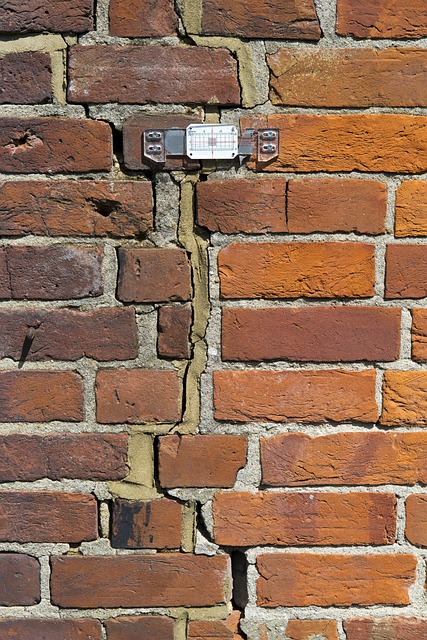
After a flood strikes Denver, one of the most significant challenges lies in remediating mold and mildew growth, which can cause severe health risks for residents. Flood damage repair Denver professionals emphasize that immediate action is crucial to mitigate these dangers. Mold thrives in damp environments, often found in flooded basements or areas with poor ventilation, posing potential allergens and contaminants that can lead to respiratory issues or even chronic illnesses.
The first step in the disaster cleanup and restoration Denver process is to thoroughly dry out affected areas as quickly as possible. This involves using specialized equipment like dehumidifiers and air movers to remove moisture from walls, floors, and other surfaces. It’s important not to disregard hidden areas such as behind drywall or under flooring, where water can accumulate and foster mold growth. Proper ventilation and the use of anti-mold treatments recommended by professionals in Flood Damage Repair Denver are essential to ensure a safe environment post-cleanup.
Restoring flooded basements Denver requires a comprehensive approach that addresses both structural damage and potential health hazards. Long-term exposure to mold not only deteriorates indoor air quality but also increases the risk of allergic reactions and respiratory problems, especially for children and the elderly. Therefore, besides physical repairs, focusing on thorough disinfection and decontamination is vital. Professional restoration services in Denver offer advanced techniques like anti-microbial treatments and negative pressure ventilation systems to eliminate mold spores effectively. By following these steps, Denver residents can ensure their homes are safe and healthy after a flood event.
Reimagining Your Home: Post-Flood Renovation Ideas Denver

After a flood, many Denver homeowners find themselves facing the daunting task of rebuilding and reimagining their spaces. Flood damage repair Denver is not merely about fixing structural issues; it’s an opportunity to create homes that are resilient, functional, and beautiful. This transformative process requires strategic planning and expert guidance from professionals like flood restoration Denver specialists.
One of the key considerations in post-flood renovation is remediating water-damaged wood. Moisture can cause wood to swell, warp, or become structurally unsound. Professional services in Denver offer advanced techniques for drying and treating wooden surfaces, ensuring they are restored to their pre-flood condition. For example, specialized equipment like air movers and dehumidifiers speed up the drying process, preventing mold growth and structural damage.
Beyond structural repairs, homeowners should focus on creating a more resilient home environment. This includes installing higher baseboards and water-resistant finishes in vulnerable areas. Additionally, integrating smart technology for early detection of leaks or moisture intrusion can provide peace of mind. Several Denver flood clean up companies offer comprehensive packages that include not just cleaning and repairing but also planning for future protection against floods. By combining these efforts, homeowners can transform their properties into safe havens that minimize the impact of future water events.
After a flood in Denver, thorough assessment, swift water removal, and effective drying techniques are crucial steps in Flood Damage Repair Denver. Restoring structural integrity ensures your home’s safety and prevents further damage. Mold and mildew remediation is essential for maintaining indoor air quality. Post-flood renovation offers an opportunity to reimagine and enhance your living space, incorporating resilient design elements. By following these comprehensive guidelines, you can navigate the flood recovery process effectively, ensuring your Denver home returns to its pre-flood condition or even surpasses it with improved functionality and aesthetics.