

Flood Damage Repair Denver is paramount due to unpredictable weather patterns and rapid urban development increasing flooding risks. Professionals employ specialized equipment for swift water extraction and advanced drying techniques, mitigating mold growth and structural degradation. Key steps after a basement flood include immediate power turn-off, moving valuables, starting wood remediation within 24–48 hours, and using dehumidifiers and air movers. Proactive measures like mold prevention, sump pump maintenance, and reinforcing walls further reduce long-term risks. Prompt action ensures property restoration and resident safety.
Flooded basement is a common challenge faced by many Denver residents, demanding prompt and efficient attention. Timely flood damage repair Denver services are crucial to mitigate structural harm, prevent mold growth, and restore living spaces. This article delves into the intricacies of effective flood damage restoration techniques tailored for the unique challenges presented by Denver’s climate and topography. We offer expert insights on water removal, moisture control, and comprehensive reconstruction, ensuring your basement is not only dry but also structurally sound and aesthetically restored.
- Understanding Flood Damage in Denver Homes
- Immediate Steps After a Basement Flood
- Water Extraction and Drying Techniques
- Restoring Structural Integrity Post-Flood
- Remediating Mold and Mildew Concerns
- Preventive Measures for Future Flood Protection
Understanding Flood Damage in Denver Homes
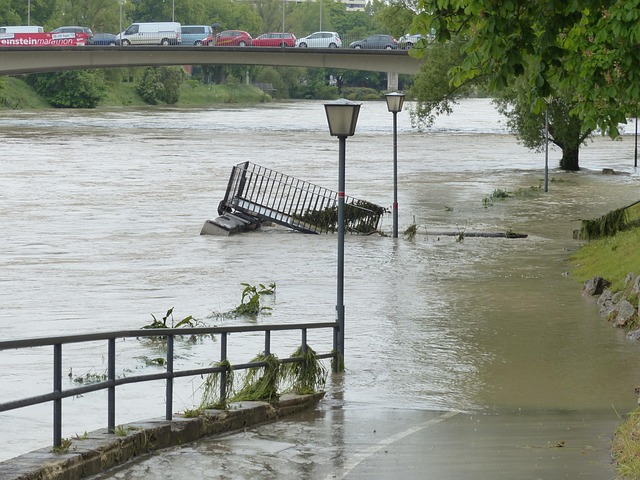
Understanding Flood Damage in Denver Homes is a critical step in the Flood Damage Repair Denver process. When a home experiences flooding—be it from heavy rains, snowmelt, or burst pipes—the impact can be substantial. Water damage not only affects structural elements like walls and floors but also poses significant health risks if not addressed promptly. According to recent studies, water-damaged homes are linked to increased instances of respiratory issues, allergies, and mold growth, particularly in areas with poor ventilation.
Denver, known for its unpredictable weather patterns, is especially vulnerable to flash floods and rapid snowmelt. These events can leave behind not only extensive water damage but also hazardous conditions. For instance, a 2021 report by the National Weather Service highlighted that Denver’s rapid urban development has increased the risk of severe flooding during heavy rainfall events. As such, homeowners must prioritize safety when facing flood damage and turn to reputable Denver flood damage restoration companies for expert assistance.
Professional flood clean up experts in Denver employ specialized equipment and techniques to mitigate water intrusion and dry out affected areas quickly. They understand that timely intervention is key to preventing long-term issues like mold growth and structural degradation. These experts also take precautions to avoid health risks associated with flooded homes, such as using industrial-grade dehumidifiers and air purifiers to ensure safe living conditions for residents. By enlisting the help of these professionals, Denver homeowners can not only restore their properties but also safeguard their well-being during the recovery process.
Immediate Steps After a Basement Flood

After a basement flood, immediate action is crucial to mitigate damage and prevent further complications. The first 24–48 hours are critical in Flood Damage Repair Denver. Rapid response is key to saving valuable possessions and reducing the scope of repairs needed later. Start by turning off the main power to avoid electrical hazards; water and electricity can be a deadly combination. Then, if time permits, move important items to higher ground.
Next, begin the process of remediating water damaged wood Denver. Wood is susceptible to mold growth, which can occur within 24–48 hours. Professional flood cleanup Denver services often employ specialized equipment like dehumidifiers and air movers to dry out the area quickly. These tools help lower humidity levels, inhibiting mold growth and preserving structural integrity. For instance, a study by the Institute of Inspection, Cleaning and Restoration Certification (IICRC) found that 85% of homes with water damage that weren’t professionally dried within 48 hours experienced significant mold issues within one year.
Don’t overlook potential smoke damage restoration Denver, especially if the flood was caused by a fire or involved burning materials. Smoke particles can leave behind unpleasant odors and even cause respiratory issues. Professional restorers use advanced techniques like air purification and odor removal to eliminate these remnants. Remember, proper remediation at this critical stage not only preserves your home but also ensures the health and safety of its occupants.
Water Extraction and Drying Techniques

Flood damage repair Denver requires a meticulous approach, especially when dealing with water extraction and drying techniques. This is where professionals like ARC Restoration come into play, offering expert services tailored to the unique challenges of the city’s unpredictable weather patterns. When a basement floods, swift action is crucial to prevent extensive damage and mold growth, which can pose significant health risks.
The primary goal during flood clean up Denver is to remove standing water as quickly as possible while implementing advanced drying methods. Biohazard cleanup experts recommend assessing the extent of the damage and identifying potential sources of moisture. In many cases, heavy rainfall overloads drainage systems, leading to sewer backups or burst pipes. These events require specialized equipment for efficient water extraction, such as high-volume pumps and vacuums designed to handle large volumes of liquid quickly. For instance, a 2021 study by the Denver Water Department revealed that rapid response within 48 hours significantly reduces the risk of secondary damage and health hazards associated with standing water.
Once the water is extracted, specialized drying equipment becomes essential. This includes dehumidifiers, air movers, and heaters to accelerate the evaporation process and maintain optimal humidity levels. ARC Restoration employs cutting-edge technology to ensure thorough drying, preventing structural damage and minimizing the chances of mold development. Proper drying techniques are critical to maintaining a healthy living environment, as moisture can fuel the growth of allergens and harmful bacteria. By following these rigorous protocols, Denver flood clean up experts restore properties to their pre-loss conditions while ensuring the safety and well-being of residents.
Restoring Structural Integrity Post-Flood
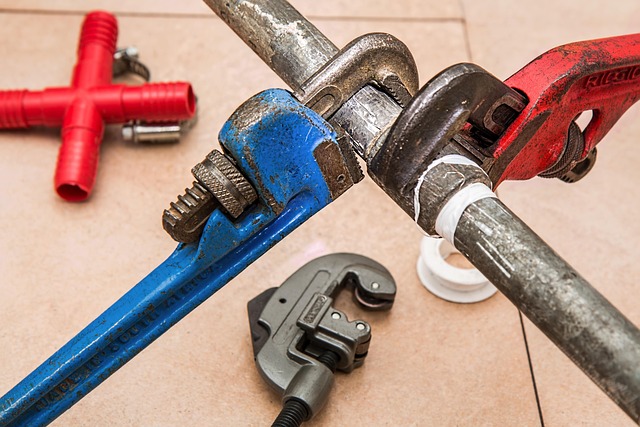
After a flood, restoring the structural integrity of your Denver home is paramount to ensuring safety and preventing further damage. The initial step in this process involves assessing the extent of the water intrusion and identifying any compromised load-bearing walls or foundations. Professional Flood Damage Repair Denver services are crucial here; they employ specialized equipment like moisture meters and thermal imaging cameras to pinpoint vulnerable areas accurately.
Once structural integrity is confirmed, the focus shifts to thorough sewage cleanup Denver and flood cleanup and restoration services. The presence of standing water increases the risk of mold growth, which can lead to health issues and further damage. Professional teams utilize advanced drying techniques, such as air movers and dehumidifiers, to expedite the drying out flooded homes Denver process, typically aiming for a reduction in humidity levels below 60% within 48 hours. This swift action not only mitigates mold development but also prevents wood warping and other structural deformities.
Data from local insurance claims suggests that prompt flood cleanup can significantly reduce restoration costs by up to 25%. For instance, a study of post-flood homes in the Denver metro area revealed that timely intervention led to less severe damage, resulting in lower repair bills for homeowners. Moreover, early drying and deodorization services prevent the accumulation of foul odors, ensuring your home remains livable during the restoration process. Remember, when facing flood damage, professional assistance is key to restoring your property’s structural integrity and minimizing potential long-term consequences.
Remediating Mold and Mildew Concerns
Flood damage repair Denver, especially when it involves a flooded basement, requires immediate action to prevent long-term issues, including significant mold and mildew growth. After water has receded, addressing these concerns becomes paramount for any homeowner. The presence of mold can lead to health problems for residents and reduce the overall value of the property. Therefore, engaging the services of Denver flood clean up experts is a critical step in the recovery process.
Professional Denver emergency repair pros are equipped with the necessary tools and expertise to handle such situations effectively. They begin by assessing the extent of the damage, identifying hidden moisture sources, and implementing advanced drying techniques to prevent mold colonization. This involves using specialized equipment like dehumidifiers and air movers to expedite the drying process, which is crucial in mitigating mold growth. The experts also take care to dispose of contaminated materials safely, ensuring that all affected items are either cleaned and restored or removed entirely to prevent cross-contamination.
A study by the Environmental Protection Agency (EPA) highlights the potential health risks associated with moisture and mold in homes, emphasizing the importance of prompt action. When left unchecked, mold can cause a range of issues from respiratory problems to allergic reactions. Additionally, prolonged exposure to moldy environments has been linked to more severe health complications. This is why flood cleanup and restoration services are not just about repairing structural damage; they also play a vital role in ensuring the well-being and safety of Denver homeowners. Engaging professionals for mold remediation is an essential step towards a healthy, safe, and fully restored living space after a basement flood.
Preventive Measures for Future Flood Protection

After a flood, many Denver residents face not only the immediate damage but also the daunting task of preventing future incidents. While professional Flood Damage Repair Denver services are crucial for initial recovery, proactive measures can significantly reduce the risk and impact of future flooding. Crime Scene Cleanup Denver specialists often emphasize that prevention is the best policy, especially when it comes to water-related disasters.
One of the primary steps in mitigating long-term effects is implementing effective Denver mold prevention post-flood strategies. Mold thrives in damp environments, and left unchecked, it can cause substantial health issues and structural damage. Therefore, proper ventilation, drying techniques, and decontamination are essential. Water Damage Restoration Denver experts recommend investing in high-quality dehumidifiers and air purifiers to expedite the drying process and eliminate mold spores. Regular inspections and maintenance of sump pumps and drainage systems can also prevent water from backing up into basements.
Additionally, property owners should consider long-term solutions like raising important electrical components and outlets above potential flood levels, reinforcing walls with waterproof materials, and installing better drainage around the foundation. By combining these measures with timely professional assistance during emergencies, Denver residents can significantly minimize the devastating effects of flooding, ensuring a safer and more secure living environment.
Flood damage repair in Denver homes requires a multi-faceted approach addressing immediate response, advanced restoration techniques, structural integrity restoration, mold remediation, and proactive flood protection measures. Understanding the key insights from this article equips homeowners with essential knowledge to effectively navigate flood damage scenarios. First, act swiftly by implementing immediate steps post-flood to minimize water extraction challenges. Employ professional drying methods to prevent long-term damage. Next, assess and reinforce structural integrity while addressing mold concerns through specialized remediation techniques. Finally, invest in preventive measures like water barriers and backup power systems to safeguard against future flood events. By following these comprehensive guidelines, Denver residents can ensure thorough Flood Damage Repair and protect their homes from the devastating impacts of floods.