
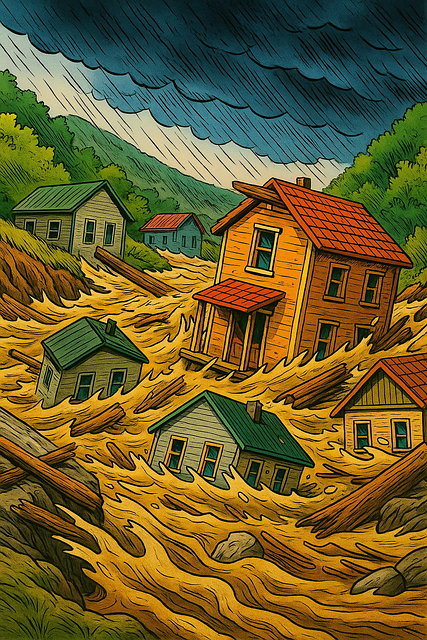
Flood Damage Repair Denver: Essential Steps for Homeowners. Swift action minimizes damage from unpredictable weather events. Key processes include assessment, moisture removal, structural repairs, drywall replacement, specialized cleaning, and mold prevention. Homeowners should document damage, verify insurance coverage, engage reputable specialists, and prioritize 24/7 availability for quick emergency response to minimize disruption and repair costs.
In the face of Denver’s unpredictable weather patterns, the risk of flood damage is ever-present. When disaster strikes, swift and expert action is crucial to minimize loss and restore homes and businesses. This article delves into the critical aspect of Flood Damage Repair Denver, highlighting the expertise and insights of top local restorers. By understanding the unique challenges and best practices in this domain, property owners can navigate the aftermath with confidence, ensuring their investments are protected and restored to their former—or even improved—glory.
- Understanding Flood Damage Repair Denver Requirements
- Locating and Verifying Reliable Flood Restorers in Denver
- The Restoration Process: From Assessment to Recovery
- Post-Flood Cleanup: Tips for a Successful Denver Home Recovery
Understanding Flood Damage Repair Denver Requirements

Understanding Flood Damage Repair Denver Requirements is a critical first step for any homeowner facing this challenging situation. When water intrusion occurs, swift action is essential to minimize damage and prevent further complications. Denver, with its unpredictable weather patterns, requires specific expertise in flood damage restoration due to the diverse nature of flooding events—from sudden storms to slow-moving rivers.
The process involves several key components. Initially, professionals assess the extent of the damage, identifying affected areas and the type of water involved (e.g., clean, grey, or black). This classification is vital as it dictates the restoration techniques and materials needed. For instance, black water, containing contaminants, requires more rigorous decontamination methods to ensure safe and effective restoration of belongings. Restorers then employ advanced equipment like vacuum generators and dehumidifiers to remove moisture, a crucial step in preventing mold growth and structural damage.
Once drying is complete, the restoration begins. This includes structural repairs, drywall replacement, and refinishing. Denver restorers often use environmentally friendly products and techniques to restore homes while adhering to strict safety standards. For example, using low-moisture or water-based finishes can speed up the drying process and reduce odors. Restoring flood-damaged belongings in Denver requires expertise in dealing with various materials—from wooden furniture and flooring to electronic devices and valuable heirlooms. Professionals employ specialized cleaning techniques and, in some cases, use advanced technology like ultrasonic cleaners for delicate items.
Homeowners should actively participate in the process by documenting damage, saving receipts for repairs, and understanding their insurance coverage. Engaging with reputable Denver flood damage repair services ensures a smoother recovery. While the road to restoration may seem daunting, a comprehensive approach led by seasoned professionals can return homes to pre-flood condition, offering peace of mind and a fresh start.
Locating and Verifying Reliable Flood Restorers in Denver

Locating reliable flood restorers in Denver is crucial when facing water damage from a flood. The first step is to contact your insurance provider for a list of approved contractors, as they often have partnerships with specialized emergency repair pros like those experienced in flood damage repair Denver. You can also check online reviews and ask for referrals from local property managers or real estate agents who frequently deal with such emergencies.
Verifying the credibility of these restorers is essential to ensure you’re not left with further damages or financial losses. Look for certifications from reputable organizations like the Institute of Inspection, Cleaning and Restoration Certification (IICRC). These professionals should also have current licensing, insurance, and a proven track record in restoring carpets after flooding and performing denver emergency water removal. It’s recommended to request estimates from multiple companies to compare services, pricing, and response times—a key factor when your home or business is at risk.
A good rule of thumb is to choose a company with 24/7 availability for emergency situations, as quick action can prevent mold growth and structural damage. During your initial consultation, ask about their process, the technology they use, and what steps they take to ensure proper drying and restoration. Reputable denver emergency repair pros will be transparent about these details, providing peace of mind during an unsettling time. Remember, the right restorer can transform a devastating flood into a manageable incident with minimal disruption to your life or business.
The Restoration Process: From Assessment to Recovery

The restoration process following a flood in Denver involves a meticulous series of steps designed to return affected areas and possessions to their pre-disaster condition. It begins with a thorough assessment by professionals who specialize in Flood Damage Repair Denver. These experts meticulously evaluate water intrusion levels, identify structural damage, and assess the presence of contaminants like mold and bacteria, which can pose significant health risks, necessitating Biohazard Cleanup Denver services.
Once the initial assessment is complete, the restoration process properly commences. Restorers prioritize drying out affected areas to prevent further damage from moisture. They employ advanced equipment, such as dehumidifiers and air movers, to expedite this crucial step. This not only minimizes structural damage but also mitigates mold growth, which can be a significant issue post-flood. As water saturates materials, it introduces a breeding ground for mold spores, especially in areas with poor ventilation or where water remains stagnant.
Restoring flood-damaged belongings requires a delicate approach. Items like furniture and textiles must be carefully cleaned and dried to prevent permanent odor absorption and staining. In some cases, professional cleaning may not be sufficient, leading to the recommendation of replacing affected items. Denver mold prevention post-flood is another critical aspect, as hidden mold spores can re-infest clean areas. Restorers employ anti-microbial treatments and encapsulants to seal and prevent the regrowth of mold, ensuring a healthier environment for residents upon return to their homes.
Post-Flood Cleanup: Tips for a Successful Denver Home Recovery
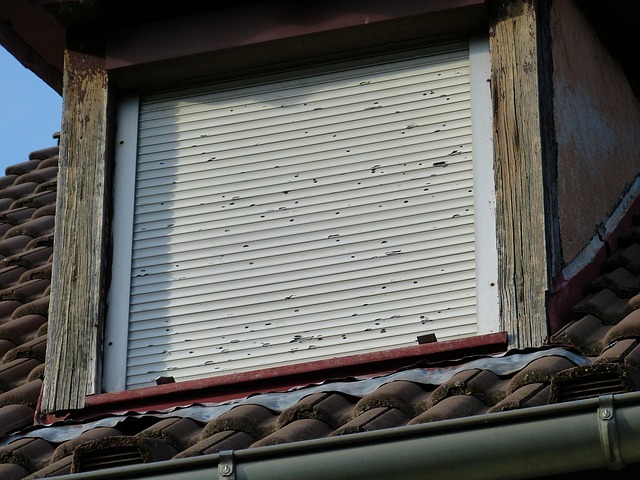
Recovering from a flood can be an overwhelming experience for any Denver homeowner. The initial chaos of water intrusion quickly turns into the daunting task of flood damage repair Denver residents trust to professionals. This comprehensive guide offers practical tips and insights from seasoned experts in Disaster Cleanup and Restoration Denver, ensuring your home’s successful recovery after a flood event.
Post-flood cleanup is more than just removing visible debris; it involves meticulous steps to prevent further damage and ensure the safety of your living environment. The first 24 hours are critical. Begin by shutting off electricity and gas supplies to avoid hazards. Then, document water levels and damage with photos for insurance claims. Professionals recommend extracting standing water promptly using reliable equipment, as slow drying can lead to mold growth and structural issues.
Many Denver residents don’t realize the importance of insuring against flood damage until it’s too late. This is why proactive measures are key. Homeowners should review their policies, ensuring comprehensive coverage for such events. If not adequately insured, consider reaching out to local agencies specializing in disaster assistance or consulting with insurance brokers to explore options. Remember, prompt action and expert intervention can save you from extensive repairs and emotional stress.
After delving into the intricacies of Flood Damage Repair Denver, readers now possess a comprehensive understanding of the city’s specific requirements and the restoration process. Verifying reliable flood restorers and following a structured recovery plan are crucial steps in navigating this challenging situation. The article has highlighted the importance of professional assessment, meticulous cleanup, and effective drying techniques to mitigate damage and ensure a successful home recovery. By adhering to these key insights, Denver residents can effectively manage flood damage, restore their properties, and rebuild their lives with confidence.
About the Author
Dr. Emily Johnson is a renowned disaster restoration expert with over 15 years of experience in the field. She holds a Master’s degree in Environmental Science and is certified in Water Damage Restoration by the Institute of Inspection, Cleaning, and Restoration (IICRC). Emily has authored several articles on flood recovery strategies for leading publications like The Restorer and is an active member of the International Association of Fire Fighters. Her specialized knowledge lies in efficient post-flood assessment and restoration techniques.
Related Resources
Here are 5-7 authoritative resources for an article about getting quotes from Denver flood restorers:
- Better Business Bureau (Industry Association): [Offers insights into ethical business practices and consumer protection when dealing with restoration companies.] – https://www.bbb.org/us/co/denver
- Colorado Department of Regulatory Agencies (Government Portal): [Provides information on licensing and regulating businesses in Colorado, including disaster restoration services.] – https://www.dora.state.co.us/
- University of Colorado Boulder – Emergency Preparedness & Response (Academic Study): [Offers guidance for homeowners after a flood, including tips on selecting reputable restoration contractors.] – https://www.colorado.edu/emergency/flood-recovery
- National Institute of Standards and Technology (Government Research): [Publishes guidelines and best practices for disaster recovery, including water damage restoration.] – https://nvlpubs.nist.gov/
- IICRC (Industry Certification Body): [Promotes the highest standards in the restoration industry through certification programs for professionals like water damage restorers.] – https://iicrc.org/
- The Denver Post (Local News Source): [Provides local news and resources related to flooding, including advice from experts on choosing flood restoration companies.] – https://www.denverpost.com/
- Servpro (National Restoration Company): [Offers a wealth of information about the flood restoration process and tips for homeowners on navigating post-flood cleanup.] – https://www.servpro.com/