

Flood Damage Repair Denver is crucial due to the region's volatile weather and high flash flood risks. Key steps include immediate action (24-48 hours), professional evaluation using specialized equipment, and proper disposal of furniture to prevent mold. Cost estimates range from $5,000 to $15,000, with insurance coverage available. Licensed, insured experts offer 24/7 emergency response, thorough assessments, and advanced restoration techniques to protect properties in Denver. Regular system inspections, sealing gaps, water sensors, and investment in flood control systems further mitigate risks.
Water damage is a common yet devastating issue for many Denver residents, often stemming from unpredictable floods that can leave homes and businesses severely impacted. Prompt and professional Flood Damage Repair Denver is crucial to mitigate the aftermath, prevent further deterioration, and ensure a safe living environment. This authoritative article delves into the intricacies of water damage cleanup and repair processes, offering valuable insights for those navigating this challenging situation in the heart of Denver. Our expertise provides a comprehensive guide to restore properties, ensuring peace of mind during these trying times.
- Understanding Water Damage in Denver Homes
- Immediate Steps After a Flood in Denver
- Dry Out and Dehumidify Effectively
- Restoring Structural Integrity: Flood Damage Repair Denver
- Preventing Future Water Damage: Denver's Guide
Understanding Water Damage in Denver Homes
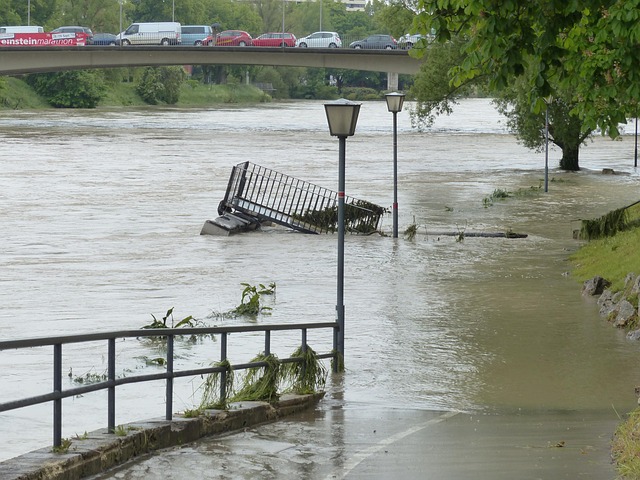
Understanding water damage in Denver homes is paramount for any homeowner or property manager. The region’s unpredictable weather patterns, including intense storms and rapid snowmelt, can lead to unexpected flooding events that cause significant property damage. According to recent data from the National Weather Service, Colorado ranks among the top states for flash flood incidents, making flood damage repair Denver a critical concern. Water intrusion not only damages structural elements but also poses health risks by fostering mold growth and contaminating indoor air quality.
When faced with water damage, prompt action is essential. The first 24-48 hours are crucial for minimizing potential long-term harm. Homeowners should begin by turning off the main power supply to prevent electrical hazards and then assess the extent of the damage. Common areas affected include basements, kitchens, and bathrooms. Professional Denver flood damage repair companies employ advanced equipment like high-pressure water extractors and dehumidifiers to quickly remove standing water and reduce moisture levels, which is vital for preventing structural decay and mold development.
Restoring furniture after a flood requires specialized care. Soaked items should be dried slowly to avoid warping or mildew growth. Professional restoration services offer content cleaning and drying solutions tailored to different materials, from wood to upholstered furniture. Moreover, they provide expert advice on disposal or salvage decisions, ensuring that affected items meet safety standards for re-entry into occupied spaces. For example, a reputable Denver flood damage repair company might recommend discarding contaminated carpeting and padding rather than attempting DIY replacements to prevent the spread of mold spores.
Selecting the right restoration company is key. Look for certified professionals with extensive experience in handling various types of water damage, including flood-related incidents. Reputable firms adhere to industry standards and employ trained technicians who use advanced technology for efficient and thorough cleanups. Remember, how you handle initial cleanup can significantly impact the cost and extent of future repairs, so seeking expert guidance from Denver flood damage restoration companies is essential for ensuring a safe and effective recovery process.
Immediate Steps After a Flood in Denver

After a flood strikes Denver, immediate action is crucial to mitigate damage and prevent further complications. The first 24–48 hours are critical in Flood Damage Repair Denver, during which time professionals recommend assessing the scope of the problem, implementing temporary stops to water ingress, and beginning initial cleanup efforts. For instance, moving essential furniture and belongings to higher ground or using sandbags to block entry points can significantly reduce secondary damage.
Professional flood cleanup and restoration services in Denver are equipped with specialized equipment such as water extractors, dehumidifiers, and air movers, which expedite drying processes and minimize mold growth. These services also employ advanced techniques like moisture mapping to identify hidden water sources and ensure every inch of affected area is thoroughly dried. Understanding the importance of swift action, many companies offer 24/7 emergency flood response, guaranteeing rapid deployment to contain and repair damage efficiently.
Cost considerations for water damage repair in Denver vary based on several factors, including the extent of flooding, property size, and specific restoration requirements. According to recent industry data, average water damage repair costs in Denver range from $5,000 to $15,000, with some cases reaching over $20,000 for extensive repairs. However, it’s important to note that comprehensive insurance coverage can significantly offset these expenses. When selecting a flood damage repair contractor, homeowners should request detailed cost estimates and compare services to ensure they receive the best value for their investment in Denver’s competitive market.
Dry Out and Dehumidify Effectively
Restoring Structural Integrity: Flood Damage Repair Denver

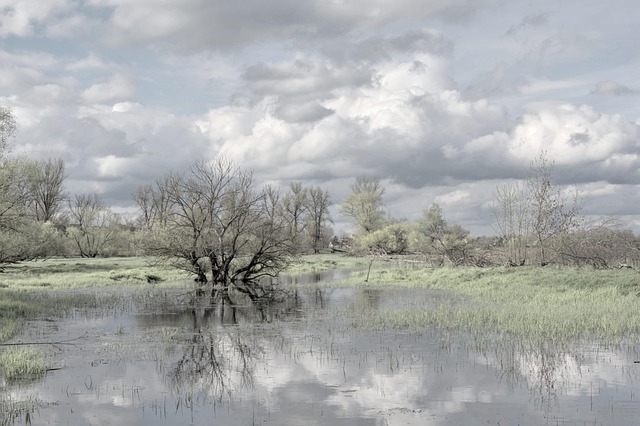
Flood damage can severely compromise a property’s structural integrity, making it critical to engage Denver water damage restoration experts for comprehensive flood damage repair Denver services. The immediate aftermath of a flood often presents a complex web of challenges, from assessing the extent of the damage to implementing effective restoration strategies. Denver water damage restoration specialists are equipped with both the technical expertise and advanced equipment necessary to thoroughly dry out affected areas and mitigate mold growth.
Restoring flood-damaged belongings in Denver involves more than just cleaning and drying. It requires a meticulous process that begins with the removal of damaged or contaminated materials, such as drywall, insulation, and furniture. These items are then subjected to specialized cleaning and decontamination procedures to prevent further deterioration and ensure a safe living environment. For instance, the use of industrial-strength cleaners and advanced drying techniques can effectively restore water-soaked possessions, preventing long-term damage and unpleasant odors.
Disaster cleanup and restoration in Denver is not merely a matter of fixing visible damage; it involves addressing the underlying issues that can have lasting effects on a property’s structural integrity. Expert flood damage repair Denver services prioritize comprehensive assessments to identify potential problems like weakened foundations, compromised electrical systems, or hidden mold infestations. By implementing structured drying protocols and employing advanced restoration techniques, these professionals ensure that the affected areas are thoroughly restored, minimizing future risks and protecting the investment of homeowners and business owners alike.
Preventing Future Water Damage: Denver's Guide
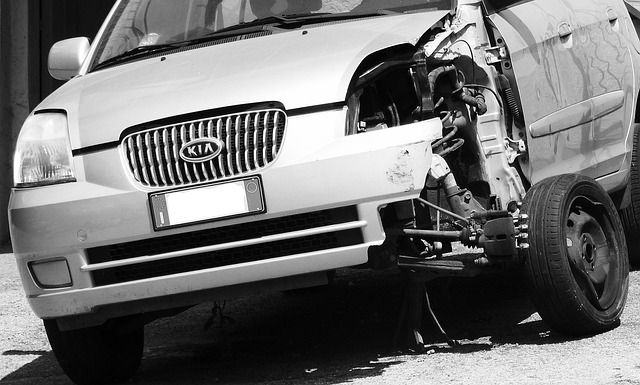
Preventing future water damage is a crucial aspect of home ownership in Denver, where flooding can occur suddenly and severely. The first step in flood damage repair Denver residents should take is understanding the common causes of water intrusion. Heavy rainfall, burst pipes, and sewer backups are primary culprits, often leading to significant property damage if not addressed promptly. According to recent data from the National Weather Service, Colorado experiences an average of 20 severe flooding events annually, underscoring the pressing need for proactive measures.
Advanced Restoration Colorado, a leading provider of flood damage restoration tips and services, emphasizes the importance of a multi-faceted approach. This includes regular inspection and maintenance of home systems, particularly plumbing and roofing. Preventative measures such as sealing gaps around pipes and fixtures, installing water sensors, and ensuring proper drainage can significantly reduce the risk of flooding. After a flood, it’s essential to dry out the affected areas thoroughly; Denver’s humid climate can accelerate mold growth if not addressed promptly. Professional drying services are recommended to ensure every inch of affected space is completely dried, preventing further damage and health risks associated with moisture.
For effective long-term protection, consider investing in a flood control system. These systems can include devices that detect water intrusion and automatically trigger shut-offs for utilities, as well as pumps designed to remove water quickly from low-lying areas. Regularly testing and maintaining these systems is vital. Additionally, keeping valuable items elevated and storing essential documents off the ground can minimize potential losses during a flood event. By implementing these strategies, Denver residents can mitigate the devastating effects of water damage and ensure their homes remain safe and secure.
In addressing water damage and flood repair in Denver homes, this article has provided a comprehensive guide for homeowners facing these challenges. Key insights include immediate action after a flood, focusing on rapid drying and dehumidification to mitigate mold growth. Restoring structural integrity through professional Flood Damage Repair Denver services is crucial, ensuring safety and stability. Additionally, preventing future water damage through proactive measures like proper drainage and maintenance offers long-term savings and peace of mind. Homeowners now possess the knowledge to navigate these situations effectively, thanks to this authoritative resource.