

In severe flooding, immediate contact with Flood Damage Repair Denver experts is crucial for minimizing structural damage and mold growth. Emergency water extraction involves specialized equipment to remove standing water within 24-48 hours, followed by professional restoration services addressing drying, roof repair, and fabric restoration. Prompt action prevents long-term property and health risks. Denver flood cleanup services also offer preventive strategies like foundation assessments, waterproofing, and improved drainage systems. Meticulous planning, appropriate equipment, and documentation are key to effective cleanup and restoration, with FEMA emphasizing the risk of mold growth within seven days if not properly dried. Preventive measures include proper drainage, flood doors, regular maintenance, and protecting valuable possessions.
In the dynamic city of Denver, unexpected floods can disrupt homes and businesses, causing significant damage. Prompt and effective water extraction is crucial for Flood Damage Repair Denver, mitigating structural harm and fostering a swift recovery. The sheer volume of water during these events presents a complex challenge, as thorough drying is essential to prevent mold growth and further deterioration. This article delves into the intricacies of emergency water extraction, offering authoritative insights tailored to Denver’s unique context, empowering residents and businesses alike to navigate flood damage repairs with confidence.
- Understanding Emergency Water Extraction in Denver
- When to Call for Professional Flood Damage Repair Denver
- The Process: Step-by-Step Guide to Water Extraction
- Choosing the Right Equipment for Efficient Flood Cleanup
- Restoring Your Property After Flood Damage Repair Denver
- Preventing Future Floods: Tips and Measures
Understanding Emergency Water Extraction in Denver

In situations of severe flooding, efficient emergency water extraction is crucial for mitigating damage and ensuring swift recovery in Denver. The process involves quick removal of standing water from affected areas to prevent further deterioration of structures. Flood Damage Repair Denver experts employ specialized equipment and advanced techniques tailored to different types of properties, whether residential or commercial. This immediate action is key to preserving the integrity of buildings, minimizing mold growth, and protecting valuable possessions from water damage.
Once the initial extraction is complete, professional restoration services in Denver step in for comprehensive flood cleanup. This includes meticulous drying of affected areas using state-of-the-art equipment, such as industrial dehumidifiers. Restoration specialists also focus on roof restoration Denver to repair any leaks or structural damage caused by the flooding. Additionally, they address water-damaged carpets and upholstery through specialized cleaning and restoration techniques, ensuring a thorough return to pre-flood conditions. For instance, according to recent studies, prompt action within 24-48 hours can significantly reduce the risk of long-term property damage and health hazards associated with mold growth.
Denver flood cleanup services also offer expert advice on preventing future water intrusion. This includes assessing the building’s foundation, waterproofing measures, and improving drainage systems. By combining emergency extraction with thorough restoration and preventive strategies, Denver residents and businesses can restore their properties to their original condition or even enhance them, ensuring a resilient and safe environment.
When to Call for Professional Flood Damage Repair Denver

Knowing when to call for professional Flood Damage Repair Denver is crucial in mitigating extensive water extraction and flood cleanup processes. While small-scale incidents may be manageable with quick action, severe flooding events often require specialized equipment and expertise. Biohazard Cleanup Denver, a common consequence of flooded areas, necessitates the involvement of certified professionals who can handle potentially harmful substances and pathogens effectively.
Insurers commonly recommend immediate contact with flood clean up companies when water intrusion exceeds certain levels or if there’s potential for significant property damage. For instance, in 2020, Denver experienced record-breaking flooding that led to extensive property losses; many affected residents emphasized the importance of swift action from professional services. Insuring against flood damage is a proactive step, but even with coverage, immediate assistance from Flood Damage Repair Denver experts ensures faster claim processing and more effective restoration.
Timely intervention plays a pivotal role in preventing mold growth, structural instability, and long-term health risks associated with flooded spaces. Denver flood clean up companies utilize advanced technology and adhere to strict protocols for biohazard cleanup, ensuring a safer environment post-disaster. By recognizing the signs of severe flooding and promptly contacting professionals, property owners can expect more comprehensive and efficient Flood Damage Repair Denver services, fostering a quicker return to normalcy.
The Process: Step-by-Step Guide to Water Extraction

The process of emergency water extraction in Denver, particularly following flood damage, involves a meticulous series of steps designed to mitigate harm and restore properties as efficiently as possible. This guide details the essential procedures for effective flood damage repair Denver residents can trust.
First, assess the scope of the damage. Inspect visible water levels and identify affected areas. Next, turn off electrical power to prevent shocks or fires in case of damaged wiring. Then, begin extraction using powerful pumps and vacuums designed for rapid water removal. It’s crucial to remove standing water as quickly as possible to prevent further damage and secondary issues like mold growth. For instance, a recent study by the National Weather Service showed that swift action within 24-48 hours can significantly reduce the risk of mold in flood-affected homes.
Once the bulk of the water is extracted, focus on drying out the structure thoroughly. This involves using dehumidifiers and air movers to remove moisture from walls, floors, and other surfaces. Proper ventilation is key during this phase to ensure optimal drying conditions. After achieving a dry environment, address any structural damage and begin the process of cleaning and sanitizing affected areas. This includes biohazard cleanup Denver, as floodwaters can carry harmful bacteria and contaminants. Use appropriate personal protective equipment (PPE) and disinfectants during this step to protect yourself and prevent further health risks.
Finally, in terms of how to fix a flood-damaged home Denver residents can turn to professional restoration services for expert guidance on rebuilding and renovation. These services offer specialized knowledge and resources to handle every aspect of the recovery process from extraction and repair to reconstruction, ensuring that homes not only look their best but are also safe and healthy for occupants. Preventing mold after flood Denver is a priority, and professionals employ advanced techniques and products to safeguard against this common post-flood issue.
Choosing the Right Equipment for Efficient Flood Cleanup
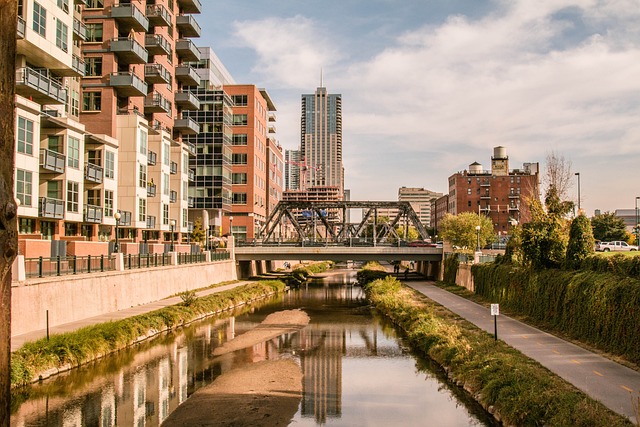
When facing flood damage repair Denver residents often find themselves in a complex situation, requiring meticulous planning and the right tools to restore their homes effectively. The initial step in this process involves understanding that choosing the appropriate equipment is crucial for efficient cleanup. This decision should be based on the extent of the flooding, the type of water (e.g., clean or contaminated), and the specific areas affected within the property, such as a flooded basement Denver.
For instance, a homeowner dealing with a recent storm surge that left their basement submerged may need powerful pumps capable of handling high-volume, potentially dirty water to prevent further damage during extraction. On the other hand, a resident facing minor indoor flooding from a burst pipe will require different equipment, focusing on quick and safe removal of smaller quantities of water. The market offers a wide array of options, including portable pumps, wet/dry vacuums, and dehumidifiers, each suited for specific tasks within Flood Damage Repair Denver scenarios.
Insurance companies offering home insurance for flood damage in Denver typically have guidelines regarding cleanup efforts. Policyholders should review their coverage carefully and contact their providers to ensure they understand the steps needed after a flood, including equipment selection. It’s advisable to document the entire process, from initial assessments to final repairs, as these records can facilitate claims and ensure the best possible settlement for Flooded Basement Denver incidents.
Restoring Your Property After Flood Damage Repair Denver

After a flood, restoring your property in Denver requires a systematic approach to address both structural damage and personal belongings affected by water. Flood Damage Repair Denver is a specialized service that understands the unique challenges of the region’s climate and geography, which make properties susceptible to sudden flooding. The initial step in the restoration process involves emergency water extraction—a critical phase aimed at minimizing secondary damages like mold growth and structural deterioration.
Professionals in Denver employ advanced equipment and techniques for efficient emergency water removal. This includes powerful pumps, dehumidifiers, and specialized vacuums designed to extract water from every nook and cranny of a flooded property. Prompt action is key; according to the Federal Emergency Management Agency (FEMA), immediate water removal can prevent or significantly reduce mold growth, a common issue in post-flood environments. For instance, a study by FEMA revealed that 40% of homes with water damage above the level of 2 feet developed visible mold within seven days if not properly dried and cleaned.
Once the extraction is complete, the real work begins—restoring flood-damaged belongings and ensuring Denver mold prevention. It’s essential to document the damage through photography for insurance claims and to establish a timeline for restoration activities. Dry out affected areas thoroughly using fans, dehumidifiers, or heaters. Pay close attention to hard-to-reach areas like crawl spaces and attics. After drying, address sanitization to prevent mold growth. Consider professional cleaning services in Denver that employ specialized products safe for both the environment and your health. Regular monitoring during the restoration process is crucial, as it allows for early detection of any emerging issues, ensuring a successful recovery from flood damage.
Preventing Future Floods: Tips and Measures

Preventing future floods is paramount for any Denver resident, especially after experiencing the devastating impact of flooded basements Denver or extensive flood damage repair across the city. While Mother Nature plays a significant role in these events, proactive measures can significantly reduce risks and minimize the potential for property damage. This includes both short-term solutions for immediate relief and long-term strategies to fortify homes against future deluges.
One of the primary steps in flood prevention is ensuring proper drainage around your property. This involves clearing debris from gutters and downspouts, installing adequate drainage systems, and grading lots to divert water away from foundations. For instance, creating a slope that directs rainwater toward a city storm drain or retaining pond can significantly reduce the chances of basement flooding Denver. Additionally, investing in high-quality flood doors and windows designed to keep out water during heavy rains acts as a robust defense mechanism against sudden inundation.
Regular maintenance is another critical aspect of flood damage prevention. This includes inspecting and repairing any leaks or cracks in pipes, foundations, or basements, especially in older homes. Protecting valuable possessions by elevating them off the floor or using waterproof containers can also limit smoke damage restoration Denver should a flood occur. Proactive homeowners should also consider investing in flood protection devices like water alarms and backup power systems for crucial appliances to ensure swift action during emergencies. By implementing these measures, Denver residents can take control of their situation and minimize the scope of potential flood damage repair Denver or worse, completely avoidable catastrophic losses.
In addressing Denver emergency water extraction and flood damage repair, this comprehensive guide has equipped readers with a deep understanding of the entire process—from recognizing the need for professional intervention to choosing the right equipment and restoring properties. Key insights include the importance of swift action to mitigate damage, the value of expert knowledge in efficient cleanup, and proactive measures to prevent future floods. By following these practical steps and recommendations for Flood Damage Repair Denver, homeowners can ensure their properties are protected, restore order swiftly, and minimize the disruption caused by water-related emergencies.