

Prompt (24-48 hours) assessment by Flood Damage Repair Denver professionals is crucial for effective recovery. Key steps include:
– Documenting damage with photos.
– Identifying and mitigating electrical hazards and potential mold growth.
– Using advanced technology for swift water extraction and drying, preventing secondary damage.
– Employing biohazard cleanup for contaminated surfaces.
– Conducting structured repairs to ensure building code compliance and safety.
– Systematically reclaiming and cleaning possessions to minimize contamination.
Long-term solutions involve improving drainage systems and implementing careful drying techniques for belongings, reducing future flood risks and mitigating damages. Engaging Flood Damage Repair Denver services ensures a comprehensive, efficient recovery process.
Flood damage is a significant concern for residents of Denver, as sudden and intense rainfall can lead to extensive property damage. When your home or business suffers from flood damage, prompt and proper restoration is crucial to mitigate further harm and ensure a safe living environment. This article provides an authoritative guide on the steps to restore your property after a flood, focusing on effective Flood Damage Repair Denver methods that experts recommend. By following these comprehensive instructions, you can effectively navigate the aftermath of a flood and restore your space to its pre-loss condition.
- Assessing Denver Flood Damage: The Initial Step
- Water Extraction and Drying: Key to Preservation
- Restoring Structural Integrity: Building Safety
- Reclaiming Possessions: Content Cleaning and Disinfection
- Rebuilding and Preventing Future Floods: Long-Term Solutions
Assessing Denver Flood Damage: The Initial Step
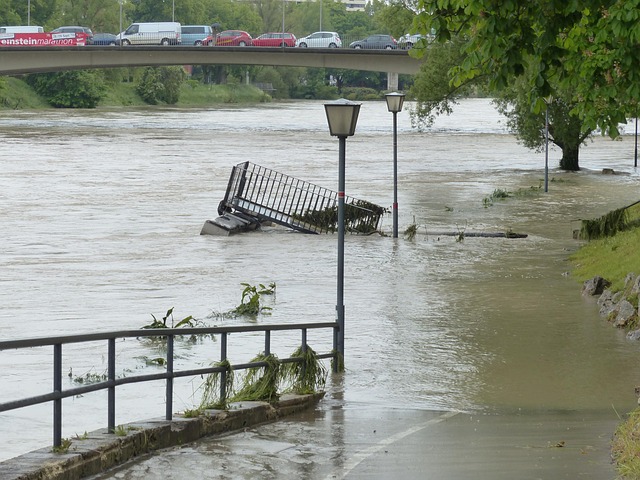
Assessing Denver flood damage is a critical initial step for any homeowner facing this distressing situation. The first 24 to 48 hours after a flood are crucial for minimizing potential long-term issues and ensuring effective Flood Damage Repair Denver. Homeowners should document every aspect of the damage, from structural integrity checks to assessing personal belongings. High-quality photos can be invaluable, serving as a before-and-after reference for insurance claims and repair projects.
Water intrusion can lead to significant challenges beyond visible structural damage. Moisture can infiltrate electrical systems, causing potential hazards and requiring professional evaluation. Restoring furniture after a flood necessitates careful drying and sanitization to prevent mold growth, which is a common issue in Denver’s residential flood recovery efforts. It’s important to remember that mold removal Denver services are crucial for maintaining a healthy living environment and avoiding costly repairs down the line.
Homeowners should avoid entering areas with standing water or weakened structures until declared safe by professionals. Quick action is key; prompt assessment and communication with insurance providers, along with specialized repair teams, can ensure a smoother recovery process. By addressing flood damage swiftly and thoroughly, Denver residents can mitigate the impacts of water intrusion, protect their investments, and return to their homes safely and comfortably.
Water Extraction and Drying: Key to Preservation
Water extraction and drying are critical steps in flood damage repair Denver, serving as the foundation for successful restoration. When water invades a property, it leaves behind moisture that, if not promptly addressed, can lead to severe structural and health issues. Advanced Restoration Colorado specializes in these crucial initial stages, employing cutting-edge technology to extract even the deepest standing waters. This swift action prevents not only secondary damage but also mitigates the risk of mold growth, a common post-flood concern.
The process involves a multi-pronged approach. First, our professionals assess the extent of water intrusion using advanced moisture meters. Next, powerful pumps and vacuums are deployed to remove standing water and excess moisture from floors, walls, and affected areas. This step is crucial in Denver’s climate, where high humidity can exacerbate drying challenges. To ensure comprehensive drying, we utilize desiccant materials that absorb moisture from the air, a technique especially effective in hard-to-reach or enclosed spaces.
Once extraction and initial drying are complete, Advanced Restoration Colorado recommends a series of preventative measures to guard against future mold issues. This includes implementing appropriate ventilation systems and utilizing dehumidifiers for ongoing moisture control. Regular monitoring with advanced sensors ensures that any lingering moisture is detected early, allowing for swift action and preventing the costly and hazardous effects of mold growth. By combining these strategies, we provide effective flood damage repair Denver residents can rely on while fostering a healthier, safer environment within their homes or businesses.
Restoring Structural Integrity: Building Safety

Restoring a structure after flood damage is a critical process that demands meticulous attention to detail. The primary goal is to ensure the building’s structural integrity and safety. In Denver, where flooding can be frequent, it’s crucial for homeowners and property managers to understand that prompt action is key to minimizing long-term damage and health risks. Professional water damage restoration in Denver involves a multi-step process aimed at drying, decontaminating, and reinforcing the structure.
The initial step focuses on containing and extracting standing water as quickly as possible. This not only prevents further structural deterioration but also mitigates mold growth and associated health risks. After extraction, advanced drying techniques using industrial fans and dehumidifiers are employed to reduce moisture levels. This is a critical phase as excess moisture can lead to structural damage, promote mold growth, and pose significant health hazards. For instance, studies show that high humidity levels after floods can foster the rapid proliferation of mold spores, which can cause respiratory issues for occupants.
Once the building is dry, professionals address biohazard cleanup in Denver, focusing on surfaces, materials, and structures contaminated by floodwaters. This involves meticulous cleaning, disinfecting, and sometimes removing porous items that cannot be salvaged. The goal is to eliminate bacteria, viruses, and other pathogens that can thrive in flooded environments. Professional teams are equipped with specialized equipment and chemicals to ensure thorough decontamination, protecting occupants from potential health risks associated with flood-affected areas. For example, materials like drywall and insulation often retain significant amounts of water and moisture, necessitating meticulous attention during the cleanup process.
To restore structural integrity, repairs should address any weakened or damaged elements. This might include reinforcing foundations, repairing walls, and replacing structural components that have been compromised by the floodwaters. Engaging with reputable Denver flood damage repair services ensures these tasks are performed correctly, adhering to building codes, and ensuring the safety of the structure and its occupants. Regular inspections throughout the restoration process are essential to identify potential issues early on, preventing future complications and additional costs.
Reclaiming Possessions: Content Cleaning and Disinfection
Recovering from flood damage requires a systematic approach, especially when it comes to reclaiming your possessions. In Denver, where flooding is a periodic concern, professional flood damage repair services are vital for restoring homes and businesses effectively. After the initial emergency response, the process of cleaning and disinfecting affected items is crucial to prevent further damage and ensure a safe environment. This step-by-step guide highlights the meticulous techniques employed by expert Denver flood restoration teams to revive your belongings.
The first phase involves assessing the extent of contamination. Floodwaters can harbor various pathogens and pollutants, necessitating specialized equipment for safe removal. Professionals use advanced water extraction methods to minimize moisture levels, a critical factor in preventing mold growth. Once the initial cleanup is complete, a thorough inspection identifies high-risk areas requiring disinfectant applications. Denver flood restoration experts employ hospital-grade disinfectants to kill bacteria, viruses, and fungi, ensuring a hygienic environment for recovered possessions.
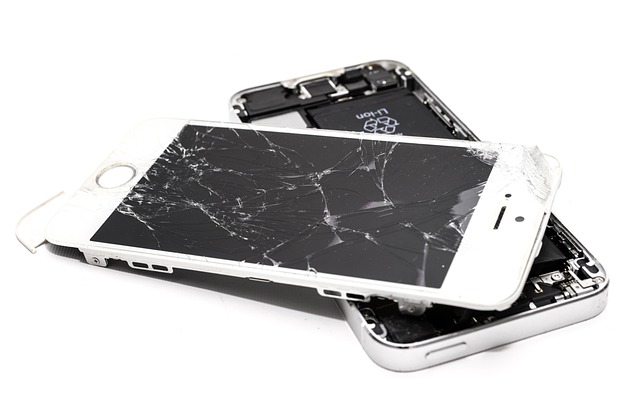
Proper content cleaning goes beyond surface treatments. It involves dismantling affected items, such as furniture or appliances, to reach hidden corners and crevices where water may have penetrated. This meticulous process is particularly important for valuable artifacts, historical documents, or electronics, which require specialized care. For instance, electronic devices may need to be disassembled, dried, and then carefully restored by professionals who understand the delicate nature of modern technology. Data recovery services can also be offered during this phase, ensuring that irreplaceable digital memories are salvaged.
In addition to on-site restoration, some items may require off-site treatment in specialized facilities. This is especially true for textiles or wood products, which might need extended drying times or specific temperature control to prevent warping or discoloration. Denver flood cleanup services often collaborate with these off-site facilities, ensuring a comprehensive and efficient recovery process. By following these meticulous content cleaning and disinfection steps, residents can significantly increase the likelihood of salvaging their possessions after a flood, contributing to a smoother transition back into their homes.
Rebuilding and Preventing Future Floods: Long-Term Solutions

After a flood, Denver residents often face significant challenges in rebuilding and restoring their homes and communities. While immediate responses like Flood Damage Repair Denver are crucial, long-term solutions are essential to prevent future disasters and ensure resilience. The process of drying out flooded homes Denver and effectively restoring belongings is a critical step in this journey. Professionals recommend acting swiftly, as mold growth can begin within 24–48 hours of flooding, posing health risks and further damaging properties.
One effective strategy is implementing improved drainage systems around buildings, including upgraded gutters, downspouts, and landscape grading. These measures help divert water away from structures during heavy rains, reducing the risk of basement flooding. Additionally, Denver residents can invest in waterproof barriers and membranes for crawl spaces and foundations, providing an extra layer of protection. For instance, a study by the National Weather Service found that proper drainage systems reduced flood damage claims by up to 40% in similar regions.
Restoring flood-damaged belongings requires careful drying out after a flood Denver and specialized cleaning techniques. Items like furniture, fabrics, and documents should be thoroughly dried to prevent mold and bacterial growth. Professional restoration services offer advanced equipment for drying processes, ensuring faster turnaround times. For instance, using desiccants and air movers can reduce drying time by up to 50%, minimizing the risk of permanent damage or health hazards associated with damp environments. By combining these proactive measures with swift action during initial flooding events, Denver communities can work towards a more resilient future, mitigating the devastating impacts of flood damage repair Denver.
The comprehensive guide on Denver flood damage restoration highlights several critical steps to ensure thorough recovery. From assessing initial damage to implementing long-term solutions, each phase plays a vital role in repairing properties and preventing future incidents. Key insights include the importance of swift water extraction and drying to mitigate mold growth, as well as restoring structural integrity for building safety. Readers learned about meticulous content cleaning and disinfection to reclaim possessions and the value of consulting professionals for expert advice tailored to Denver’s unique flood damage repair needs. By following these structured steps, homeowners can effectively navigate post-flood challenges and rebuild with enhanced resilience against future floods.